How to Make a Small Space Feel Bigger Without Expanding It
Discover practical interior design strategies that make compact homes feel larger, brighter, and more functional without adding a single square metre.
Sometimes It Isn't the Size of Your Home. It's the Way It's Designed.
A home doesn't have to be large to feel comfortable. Some of the most inviting interiors occupy surprisingly compact footprints, while some spacious homes still manage to feel crowded and overwhelming. The difference often comes down to design. If your home feels smaller than it should, one or more of these common mistakes could be the reason.
It happens more often than you think. A sofa catches your eye. A dining table feels like the perfect fit. Before long, the room is full, but something doesn't feel right. Without understanding how the space should function first, even beautiful furniture can disrupt movement and make a room feel cramped. Instead, begin with a layout. Decide how people will move through the room, where focal points should be, and how each piece will support daily living. Furniture should complement the space, not compete with it.
Many people assume that placing furniture against every wall automatically creates more room. In reality, it often does the opposite. When every item hugs the perimeter, the centre of the room can feel disconnected and lifeless. Pulling a sofa slightly away from the wall, defining a seating area with a rug, or introducing a console behind a couch can create a more balanced and spacious layout. Sometimes, giving furniture a little room to breathe makes the entire space feel larger.
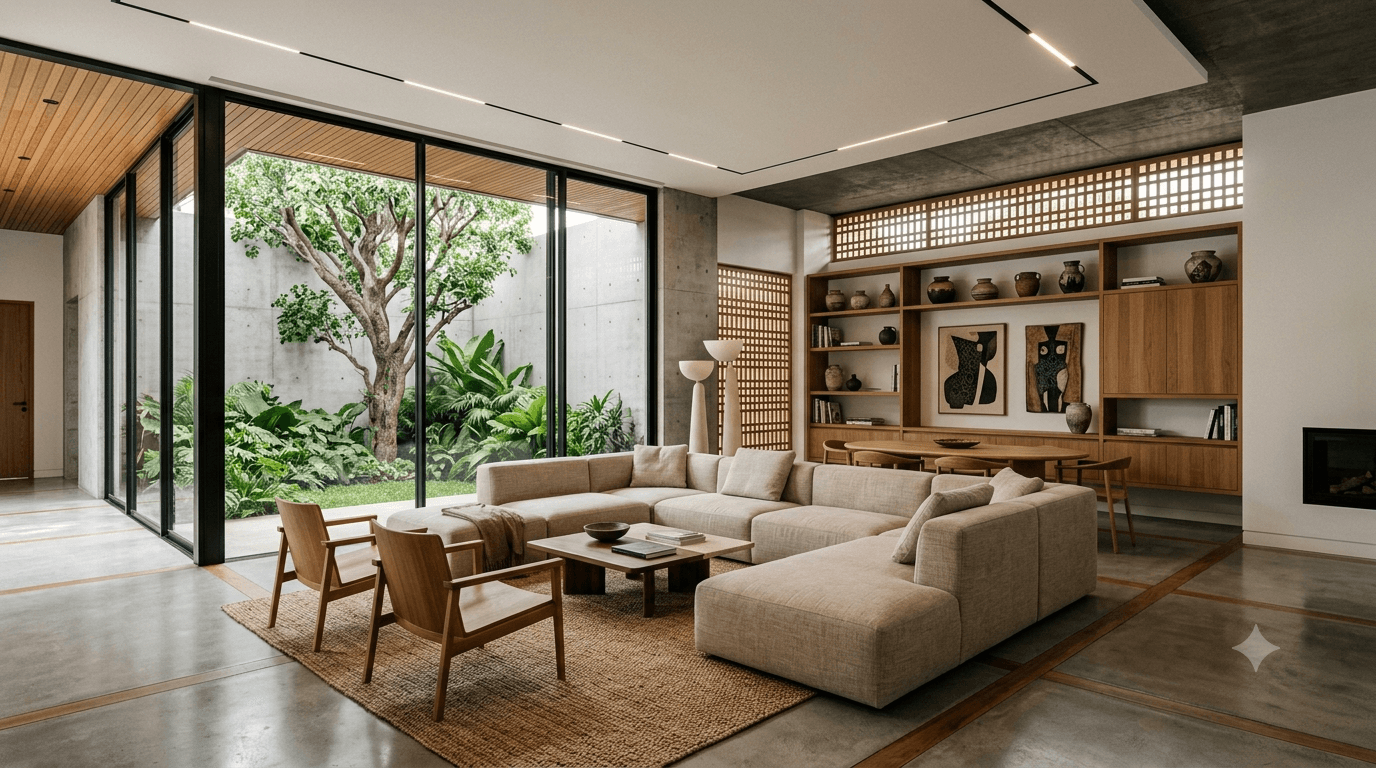
A room filled with different colours, textures, and materials can quickly become visually overwhelming. When every surface demands attention, the eye struggles to find a sense of order. A restrained palette creates continuity from one area to the next, making the home feel calmer and more spacious. This doesn't mean everything has to match. It simply means every element should feel connected. Warm timber, natural stone, soft fabrics, and neutral tones are timeless combinations because they work together rather than against each other.
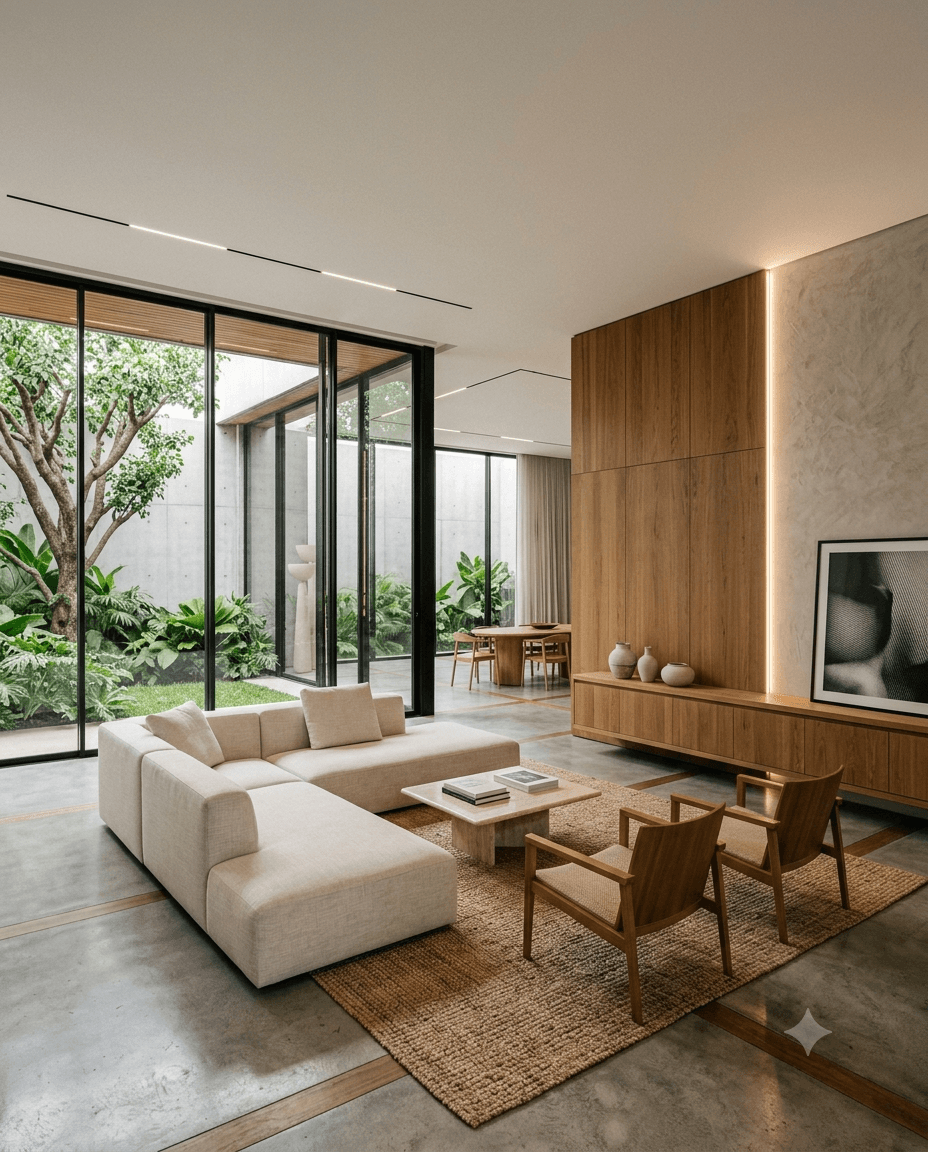
Light changes everything. A room with generous natural light almost always feels larger than one with poor lighting, regardless of its actual dimensions. Heavy curtains, oversized furniture placed in front of windows, or dark finishes that absorb light can make a space feel enclosed. Allow daylight to become part of the design. Choose window treatments that soften rather than block light, keep sightlines open, and use mirrors strategically to reflect brightness deeper into the room.
Not every corner needs a chair. Not every wall needs a cabinet. Not every surface needs decoration. One of the biggest misconceptions in interior design is that every available space should be occupied. The opposite is often true. Empty space gives a room rhythm. It allows architectural features, furniture, and carefully selected décor to stand out. Luxury interiors embrace restraint. They understand that what is left out can be just as important as what is included.
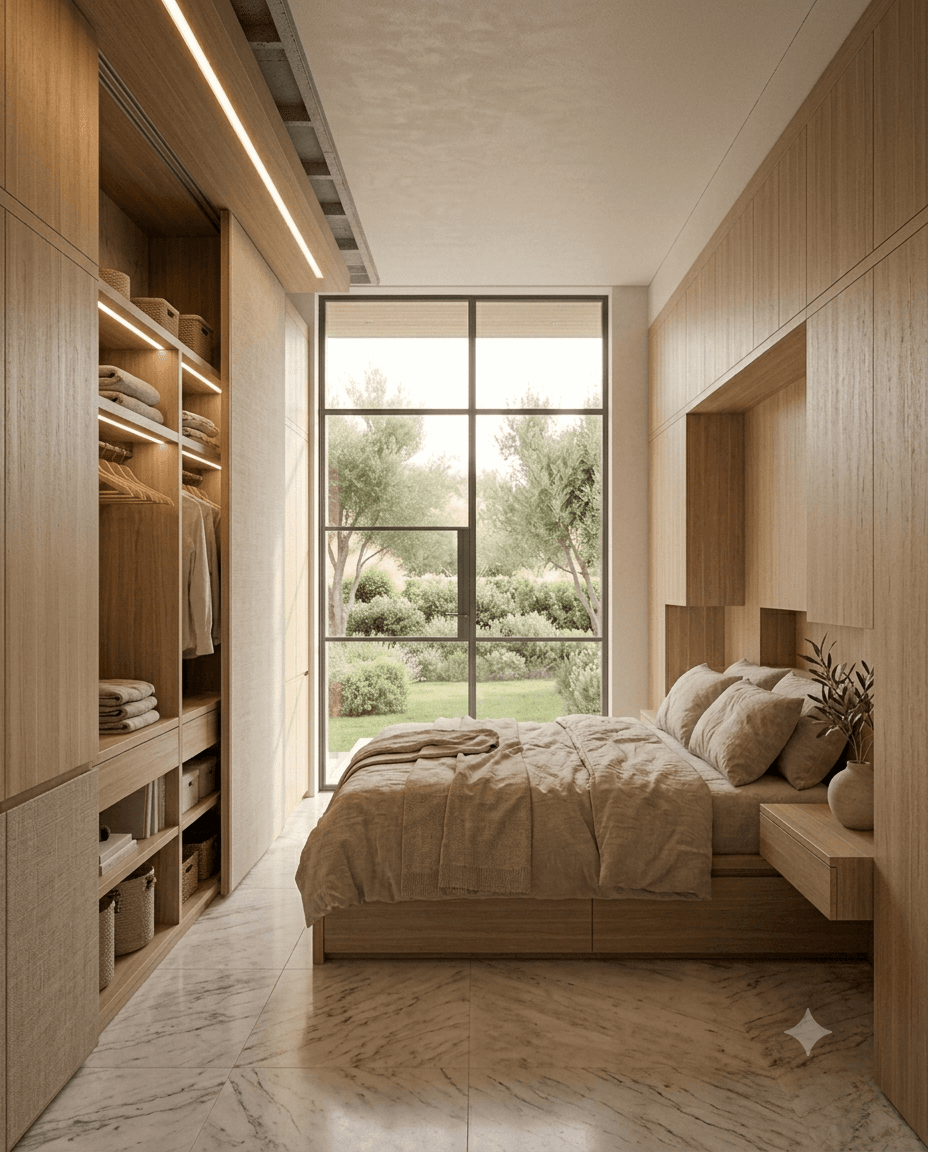
Clutter isn't always caused by owning too much. Often, it's caused by having nowhere to put everyday items. When shoes collect by the entrance, remote controls cover coffee tables, and kitchen counters become storage areas, even a well-designed home begins to feel smaller. Thoughtful storage solves this quietly. Built-in cabinetry, multifunctional furniture, concealed shelving, and custom joinery allow a home to remain organised without sacrificing style. The best storage solutions are often the ones you barely notice.
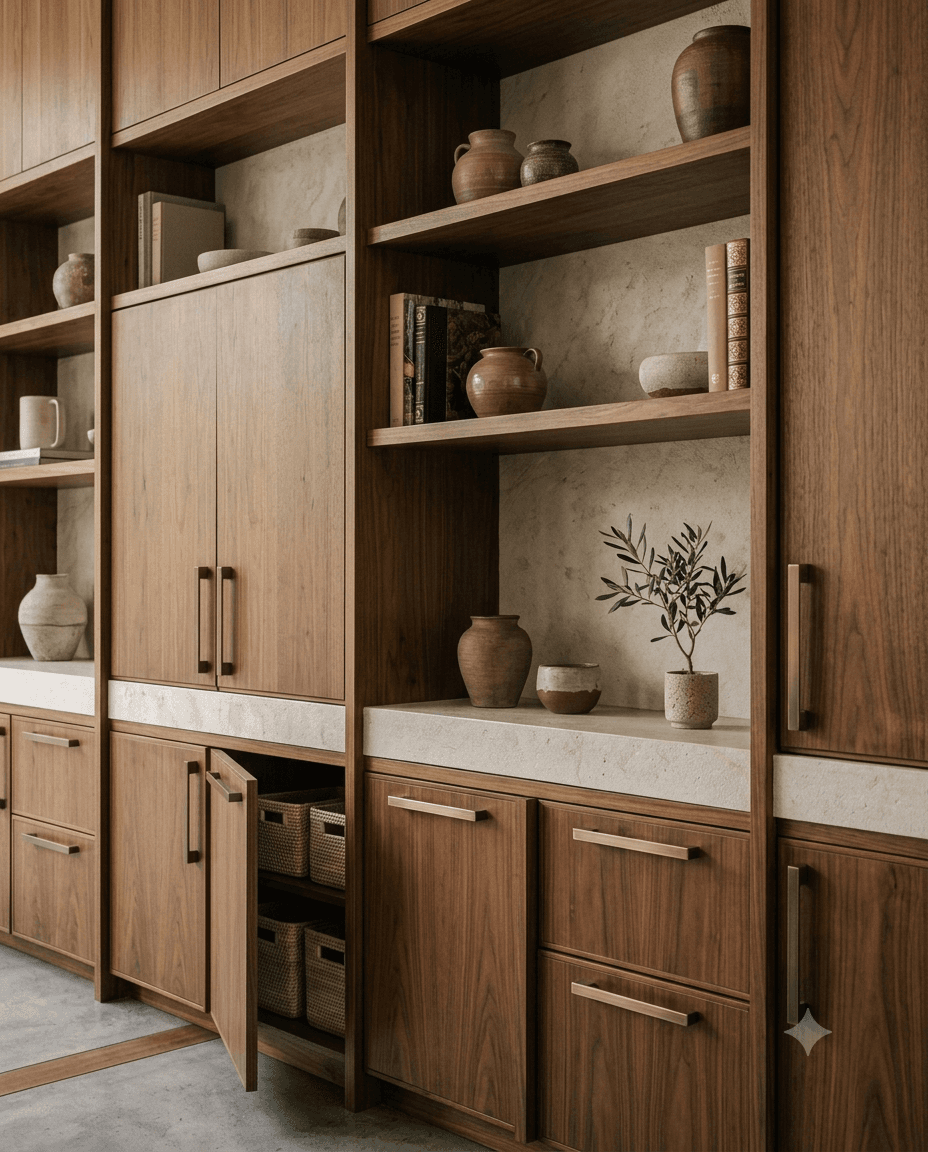
A room can photograph beautifully and still be frustrating to live in. If furniture blocks movement, lighting doesn't suit everyday activities, or layouts ignore how people actually use the space, comfort is sacrificed for aesthetics. Good design considers both. The most successful interiors feel effortless because every decision has been made with the homeowner in mind. Function and beauty should never compete. They should work together.
Creating a spacious home isn't about removing personality or buying expensive furniture. It's about making intentional choices. Every layout should improve movement. Every material should contribute to the atmosphere. Every piece of furniture should have a purpose. When these decisions come together, the result is a home that feels calm, organised, and welcoming, regardless of its size.
At Luxaeon Spaces, we believe exceptional interiors begin long before furniture is selected. They begin with understanding how people live, how spaces should function, and how thoughtful planning can unlock the full potential of every square metre. Because a well-designed home isn't measured by its size. It's measured by how beautifully it works.
Discover practical interior design strategies that make compact homes feel larger, brighter, and more functional without adding a single square metre.
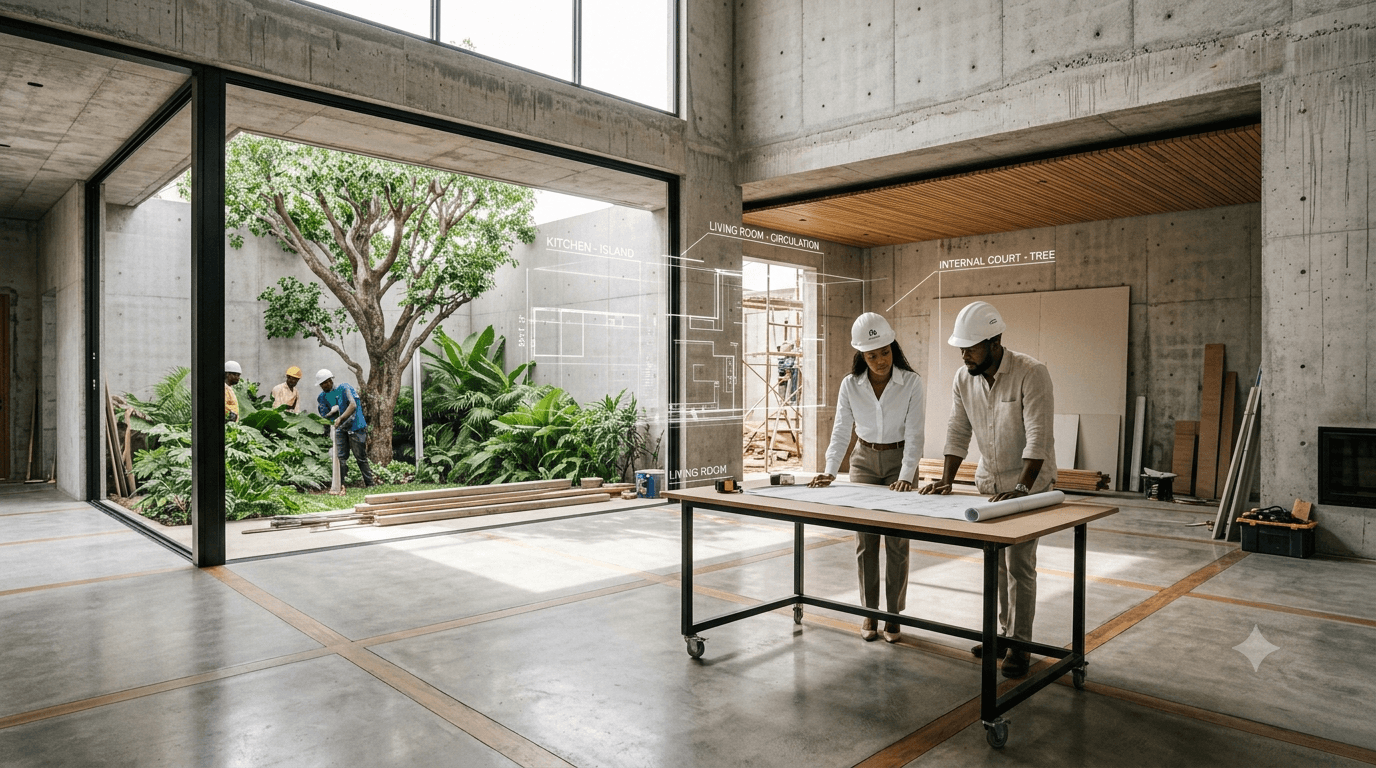
Involving an interior designer before construction begins can save money, improve functionality, and create a home that's designed to fit your lifestyle from the ground up.
We will get back to you in 24 hours.